Research · Development · Measurement
Measurements,
developments
in the field
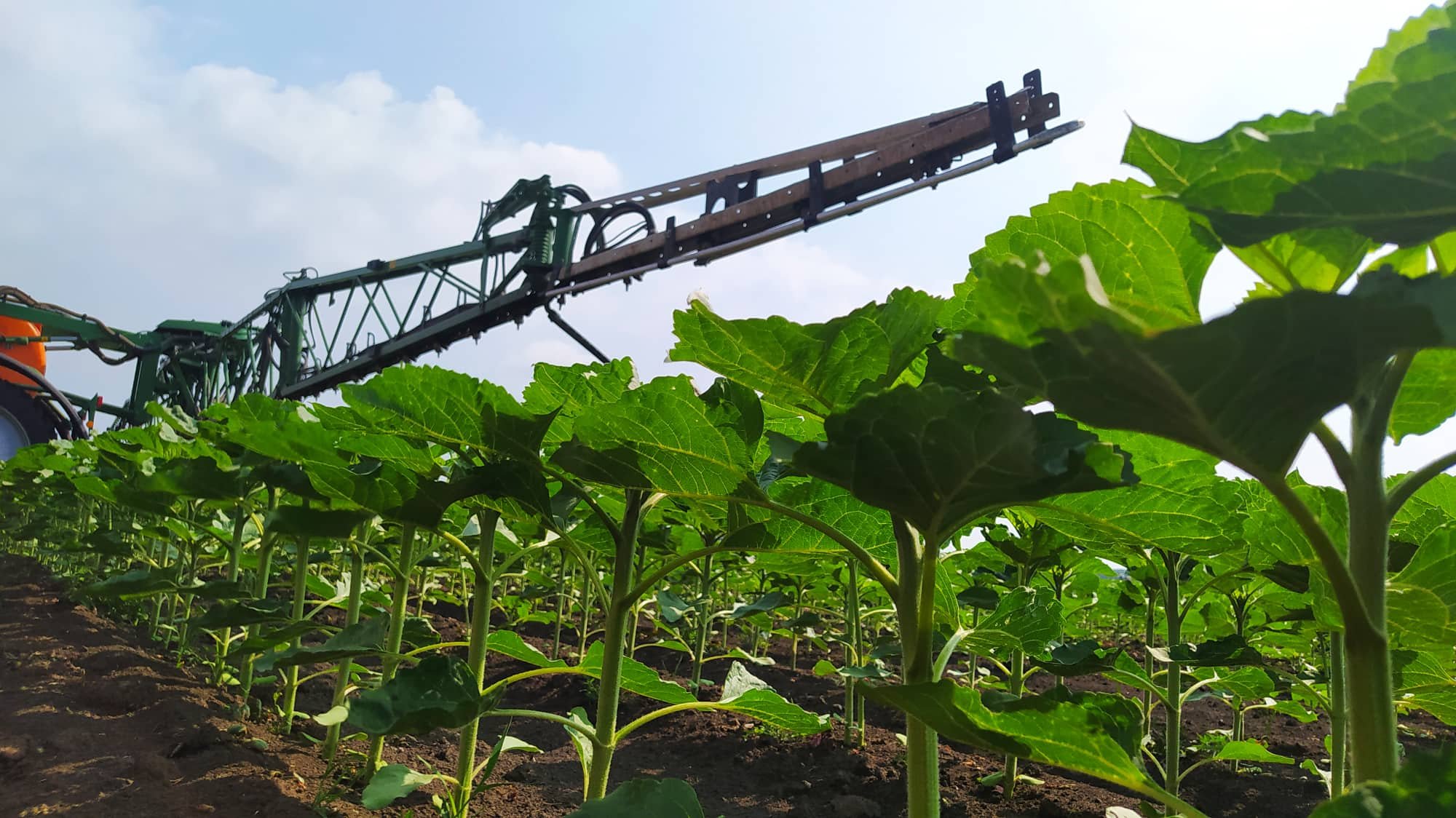
Our experimental division — built on our research and development work — began operating in 2017, with the aim of testing our products and technologies in practice. We carry out our field trials mostly on the land of our cooperating partners.
Cooperation with research institutes
Scientific background behind every product
In the course of our research and development work, the creation of every product is preceded by substantial background work. Before a potential product reaches the market, it goes through numerous in vitro experiments, and during the authorisation procedure required for placing it on the market its efficacy must also be proven at independent testing sites.
Testing a finished, marketed product cannot stop at this point, however. We feel it is our responsibility to keep our products under constant monitoring amid the ever-changing conditions of crop production. A product's efficacy always varies: it is influenced by every ecological factor, the cultivated plant species, the responsiveness of the variety or hybrid, the tillage system applied and, not least, the given season.
We entrust the basis of our experimental activity to trained researchers (with the appropriate qualifications) who specialise in crop-production trials.
Our current and former cooperating partners
Further tests at farmers' sites
To complete the picture
Results from the studies of research institutes and universities cannot necessarily be regarded as universally valid for the fields of individual farms. We cannot select the best technology based on these alone — every producer must also compare them against results measured on their own land, alongside their own production practice.
That is why, for years, we have been continuing the scientific work carried out by research institutes and universities at producers' sites, with further tests. Typically we run single-factor comparative trials, in which we compare the results of a given treatment type against an untreated control area.
Methodology: good design and replication are the key
Assessing field suitability
We assess in advance whether a given field is suitable for setting up a trial, deciding whether to begin based on the uniformity of the area.
Drone crop-stand check
Before evaluating a comparative trial, we take the condition of the crop stand into account. We verify this using agricultural drones.
Forming net plots
By forming net plots we eliminate edge effects and other adverse factors (e.g. trampling damage), and consider only the specific yield results of the net area.
Spatial and temporal replications
The cornerstone of our experimental methodology is carrying out replications: we consider it important to replicate our comparative trials in space and time across the most varied ecological conditions in the country.
Experimental team
Our development engineers
Our trained development engineers design, run and evaluate our trials.


Sződ experimental greenhouse
600 m² active development and research centre
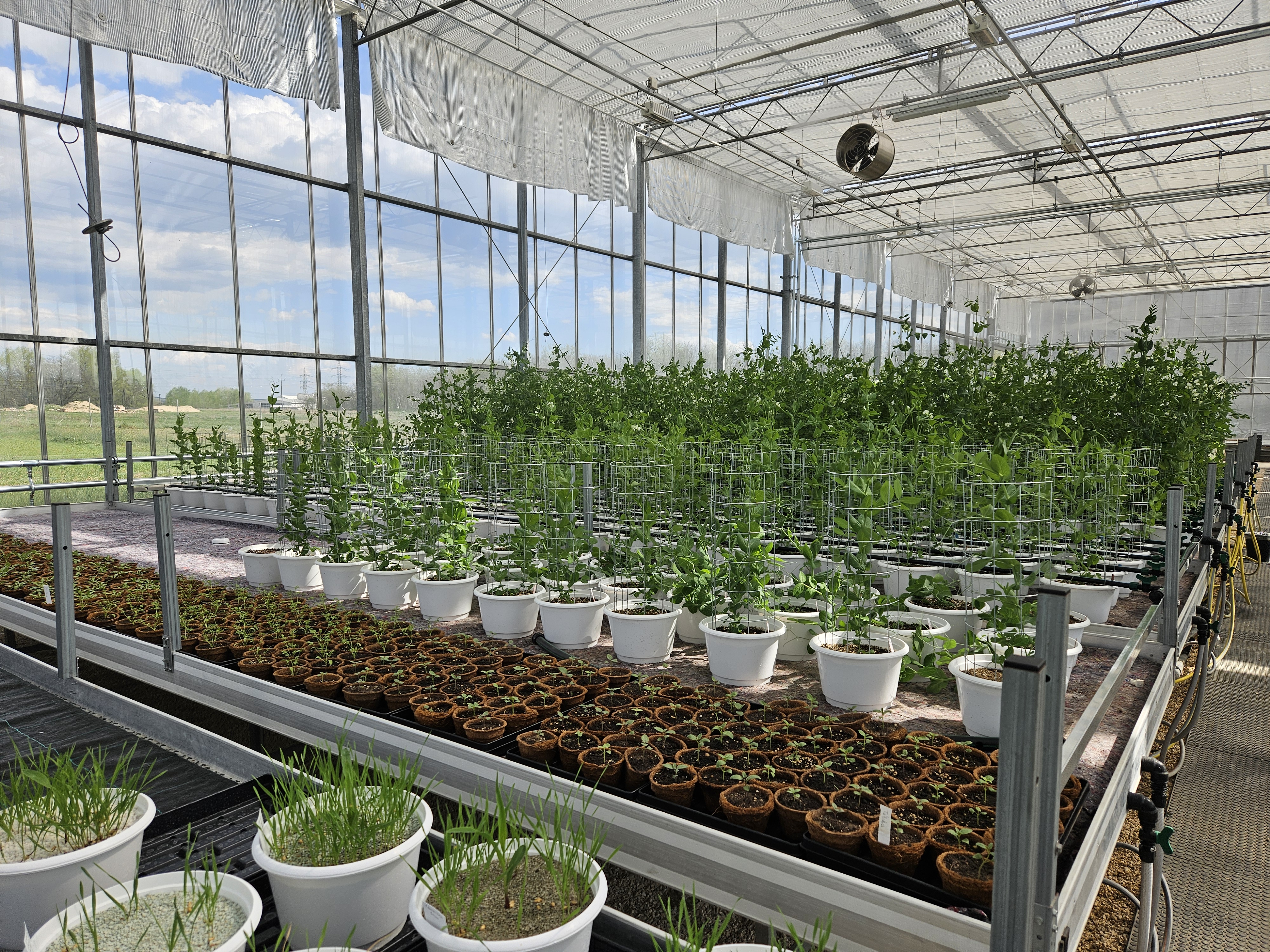
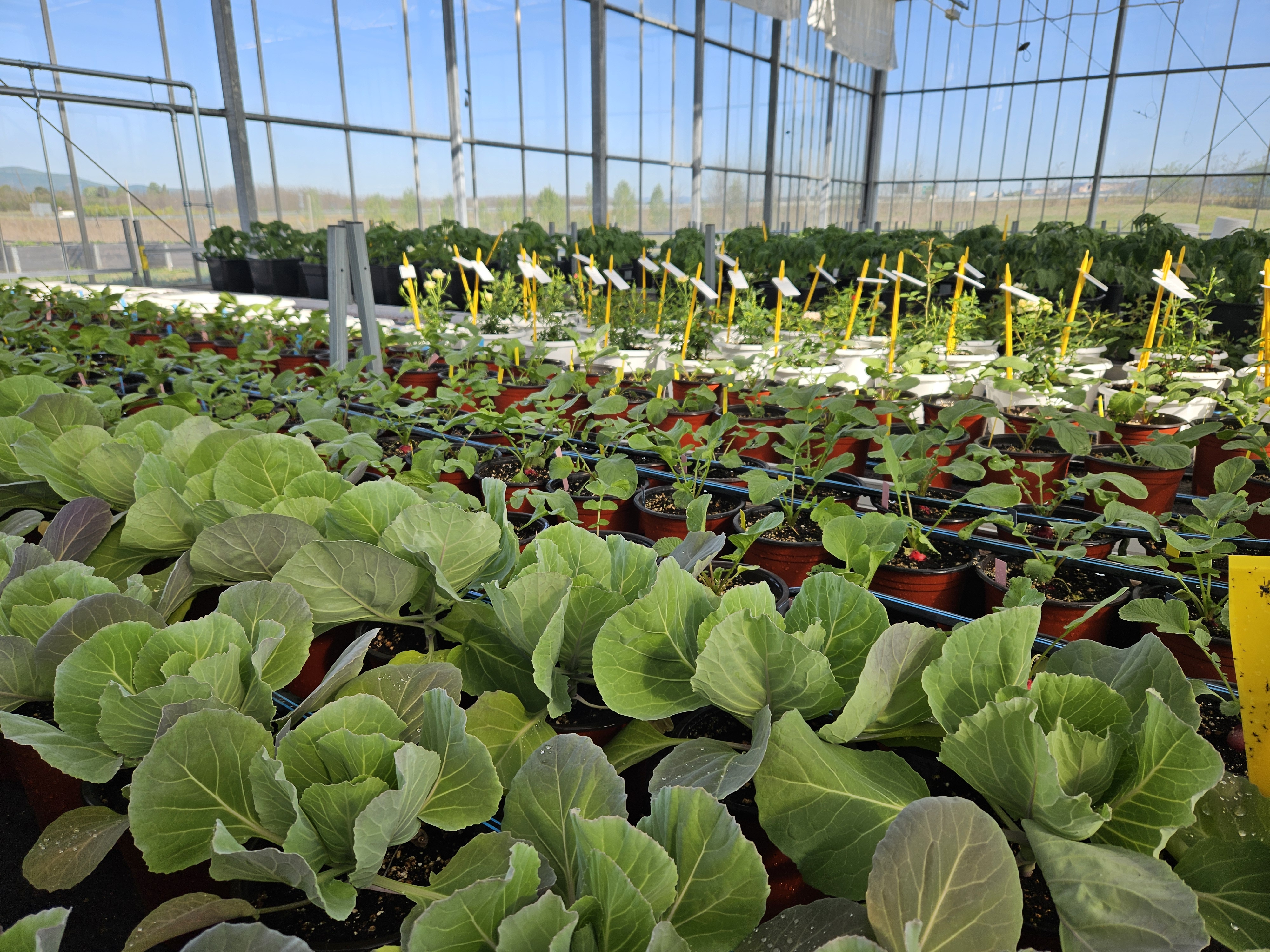
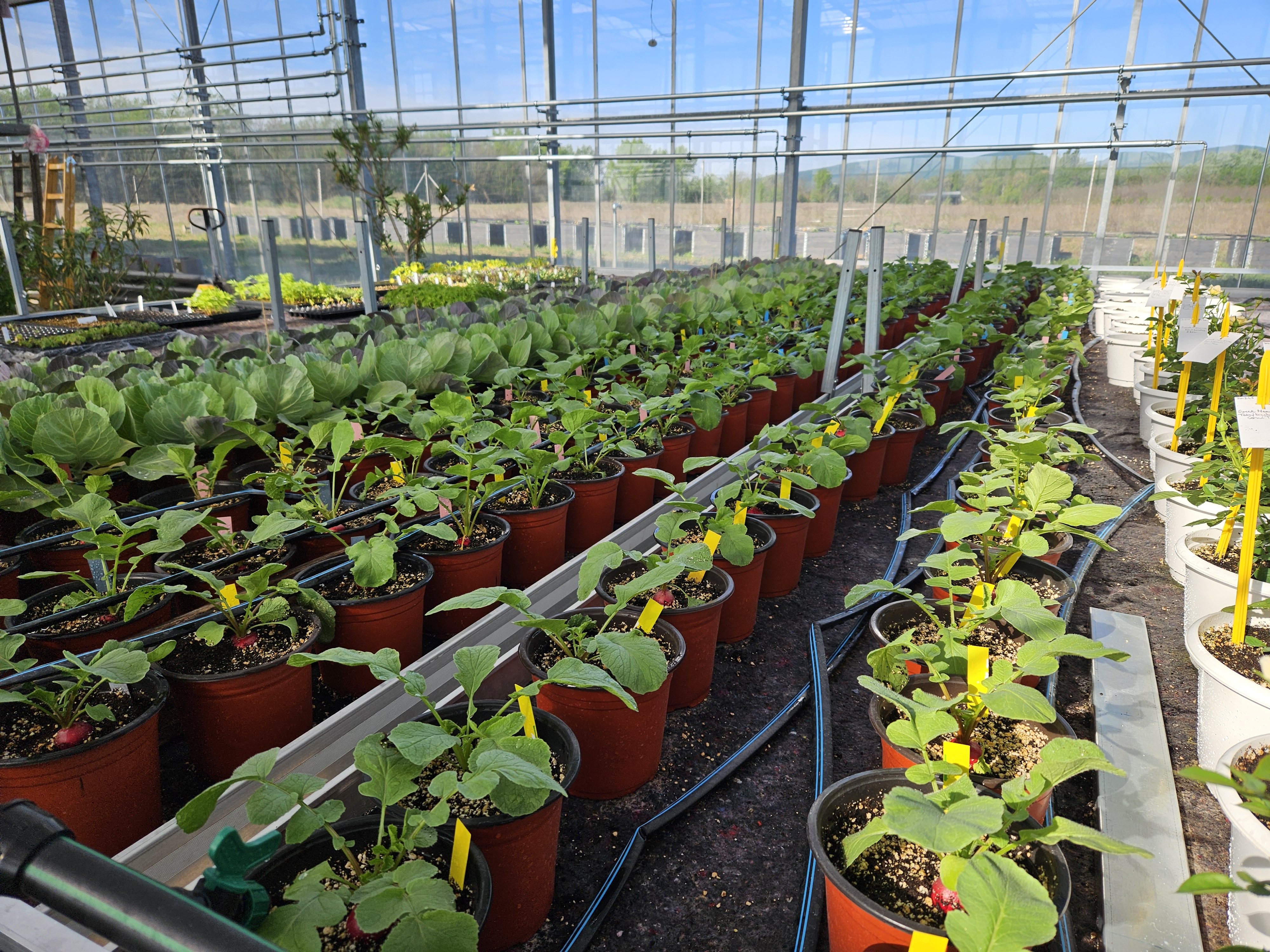
Located on the outskirts of Sződ, our 600 m² greenhouse operates as part of the company's experimental division, which was launched in February 2026. Its primary purpose is to support practical and innovative research work, with particular focus on the main vegetable crops (lettuce, radish, pepper, tomato) and ornamentals (rose).
Experimental work goes on continuously at the facility: with our existing products we run technological studies to optimise cultivation processes, and for our products under development we carry out efficacy and dose trials to precisely measure practical applicability.
The greenhouse also plays an important role in propagating exclusive symbiotic fungi — this is the foundation of future innovative cultivation solutions. We also provide services: contract seedling raising as well as contract overwintering of plants, offering valuable infrastructure to our partners too.
The greenhouse specialists
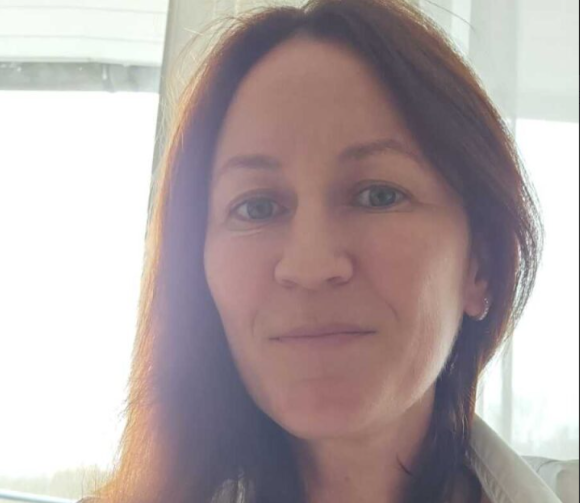
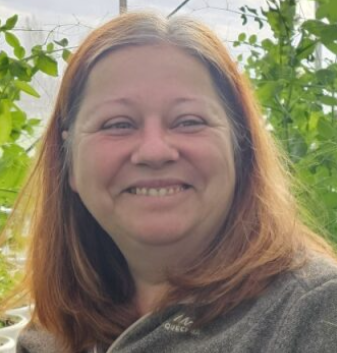
Our development engineers
Downloadable publications
Experimental result booklets
Our annual summary publications contain the detailed results of the measurements carried out on arable and intensive crops, along with the on-site data and our conclusions.